Vascular Study Updates

23rd July 2026
KID Trial - Recruitment Closed: Target Met
The KID Trial is seeking to discover if using carbon dioxide for surgery to open blocked leg arteries can prevent kidney problems. The trial team are very pleased to provide the following update:
- Participant Recruitment: The number of total participants recruited is 178, exceeding the trial target of 174 by four participants!
- Study Progress: The KID Trial has been recruiting across six NHS hospital sites in the UK. The trial team would like to thank all the participating clinical teams for their commitment in identifying eligible patients with PAD and CKD.
- Qualitative and Implementation Evaluation Sub-study: The target of 12 participants that provided consent to be interviewed as part of the sub-study has been reached. Interviews aim to explore participants experiences and acceptability of receiving carbon dioxide as a contrast medium during the procedure. Survey completion and interviews with practitioners to know their experiences and perceptions of delivering the intervention, its acceptability and factors that influence implementation of the CO2 injector have also been completed.
- Follow-ups: The team expect the final participant follow-up to be completed 3 months after the last recruitment, followed by a full analysis of the primary outcome—specifically how the use of CO2 contrast impacts kidney function. The results should be available in early 2027.
The trial team would also like to extend their thanks to the PPI participants who have overseen and supported the trial since its initiation.
2nd July 2026
CLARITY Trial - Latest News
At the last update, the CLARITY Trial team had opened Leicester and Swansea, making 13 trial sites in total. They had also recruited 151 patients as of the end of November 2025.
Since then, the trial has opened 4 more trial sites, in Surrey and Sussex, Guy’s and St Thomas’, Newcastle, and North Cumbria, which is a total of 17 trial sites so far. The team had recruited 291 patients as of 15 May 2026.
Interviews have been completed with 14 patients, which have been helpful in finding out what they think about being part of the trial and about taking blood-thinning tablets in general. The team have also started interviewing health professionals at trial sites, and have completed 10 interviews so far, which is helping to identify improvements that can be made to trial processes.

30th April 2026
Work On The COS-PAD Study Is Almost Complete
The COS-PAD study is close to completion.
The study team have completed the Delphi survey and have held the final international stakeholder meeting to decide the final core outcome sets for Intermittent Claudication (IC) and Critical Limb Threatening Ischaemia (CLTI).
The team are now beginning to write up the results for publication and are working on a dissemination plan. With many thanks to the patients, the PPI participants, and the health care professionals who have completed the surveys and attended the stakeholder meetings.
30th April 2026
MOSAIC2 Co-design Study Update
The MOSAIC 2 team have now completed a series of online group meetings with 20 people with peripheral artery disease (PAD) and their caregivers, plus 21 healthcare professionals. In the meetings, we discussed what should be included in an adapted home-based walking exercise programme for people with walking leg pain (MOSAIC2), and the best way for it to be delivered in people’s local communities.
So far, we have found that people want a programme that is tailored to their individual needs, that can be delivered flexibly, whether that is online or in-person. Things that were considered important to include in MOSAIC2 were information about PAD and walking leg pain, setting personalised walking goals and plans, monitoring walking progress, regular encouragement from a coach, and social support.
Next, we will do some more group meetings to finalise the content of MOSAIC2 and how those who will deliver it should be trained. Together, we will create some resources that participants and practitioners will use when doing the programme in the future.
At the same time, we are working with two public advisors to design a small study in six GP practice and community trusts to see if we can deliver a larger trial to evaluate MOSAIC2. They have helped us by reviewing study documents and helped develop the best way to run the study.

22nd April 2026
CInCH PAD Study - Recruitment Completed
The CInCH PAD Study is investigating whether people with arterial disease of the legs also have altered blood flow in the brain, causing problems with memory and thinking. The study aimed to recruit 20 individuals with a diagnosis of Intermittent Claudication (an early stage of PAD) and 20 healthy individuals, so that the team could compare the results to see if there were any significant differences in blood flow to the brain and cognitive function between the two groups.
Recruitment for the study ended in February 2026, with 20 healthy individuals and 19 individuals diagnosed with Intermittent Claudication taking part. The CInCH PAD team have now completed the data analysis and intend to publish their results soon.
Thank you to all PPI participants who have advised the team on the study design, and to all individuals who have taken part in the study.

22nd April 2026
EVOCC Trial - 50% Recruitment Milestone Reached
Congratulations to the EVOCC Trial team, who have now recruited 317 patients to the trial, with a target of 628 patients to be recruited by the end of March 2028.
The EVOCC Trial aims to understand whether open surgery or keyhole surgery is better for saving the legs and lives of patients with PAD, which type of surgery is less likely to lead to more surgery in the future, and which is better cost-wise for the NHS.
The team would like to thank the PPI participants who attended a meeting to discuss changes to the study protocol in December 2025. Feedback from the meeting participants was included within the proposed amendment, which has now been initially approved and will be presented to the Research Ethics Committee shortly.
20th March 2026
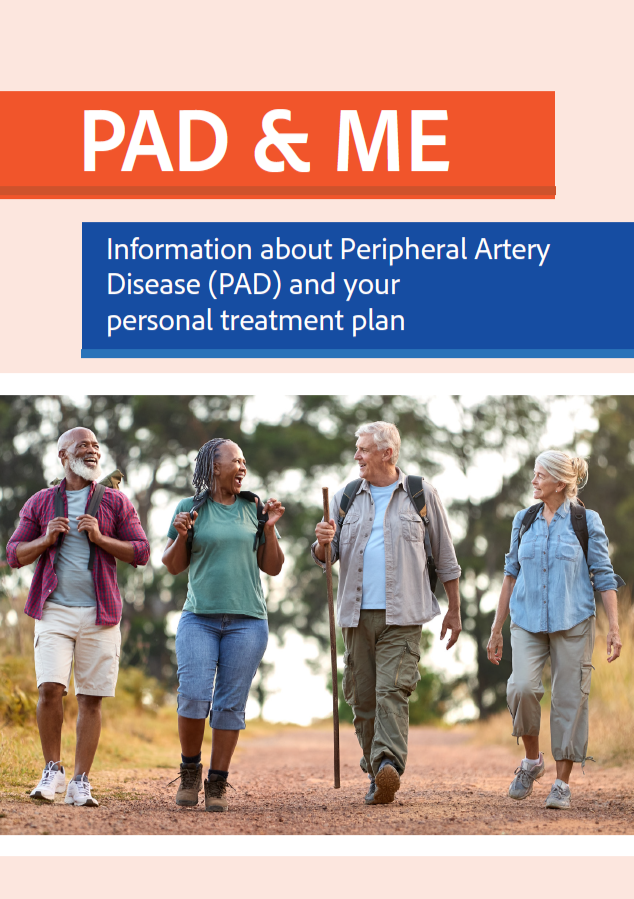
PAD Adherence Study - Information Booklet Finalised
Following the PPI workshops that took place during spring and summer 2025, researchers at Imperial College London have now completed and updated the PAD information booklet, after also completing think-aloud interviews and seeking designer input.
The next step in the research process is to test the co-created booklet with newly diagnosed PAD patients to see if it is fit-for-purpose in NHS healthcare settings.
The research team would like to thank all the PPI participants who have taken part in the workshops, offering their input and advice about the wording and design and ensuring it reflects the lived experience of patients with the condition.
6th January 2026
UK-MAT Trial - Participant Recruitment Underway
The UK Metformin Aneurysm Trial is now underway. Non-diabetic patients diagnosed with small Abdominal Aortic Aneurysm (AAA) across the nation are being offered the opportunity to participate in this potentially ground-breaking research.
Click here to access the recent BBC News article for information about the trial and to read about Philip, who is one of the first patients to sign up and take part.
If you would like to find out more about participating in UK-MAT, and to contact the trial team directly, please visit the Active Studies page.